R

EV Cost Calculator 2026

Electric car vs. petrol: Which really costs less? The honest TCO comparison.

Updated for 2026
100% free
Instant results

Electric Vehicle

Combustion Engine

Usage Profile

Cost Comparison

Electric Car

€33,327

€555 per month

Combustion Engine

€32,997

€550 per month

You save €330 with the Combustion Engine

over 5 years at 15,000 km/year

Cost Breakdown

Cumulative Cost Comparison

EV does not become cheaper in the comparison period

Electric Car

€555

per month

Combustion Engine

€550

per month

Difference

€5

cheaper per month

Electric Car

0.44 €/km

Combustion Engine

0.44 €/km

Difference

0.00 €/km

saved per km

CO₂ Comparison

Electric Car

1,026

kg CO₂/year

Combustion Engine

2,489

kg CO₂/year

Savings

7,315

kg CO₂ less over 5 years

Equivalent to

333

trees for 5 years

Electric CarCombustion Engine

Detailed Comparison

Category
Electric Car
Combustion Engine
Purchase Price (net)€38,000€30,000
Energy Costs€5,877€9,952
Insurance€4,800€3,900
Maintenance€1,750€3,500
Road Tax€0€645
Depreciation€20,900€15,000
Other€0
Total Costs€33,327€32,997
Monthly Costs€555€550
Cost per km0.440.44
CO₂/year1,026 kg2,489 kg

Send results via email

Was this calculator helpful?

Kaffee ausgeben ☕

Calculate fuel costs

Fuel Cost Calculator

Guides & Tips

Everything about EVs, costs, and comparison with combustion engines
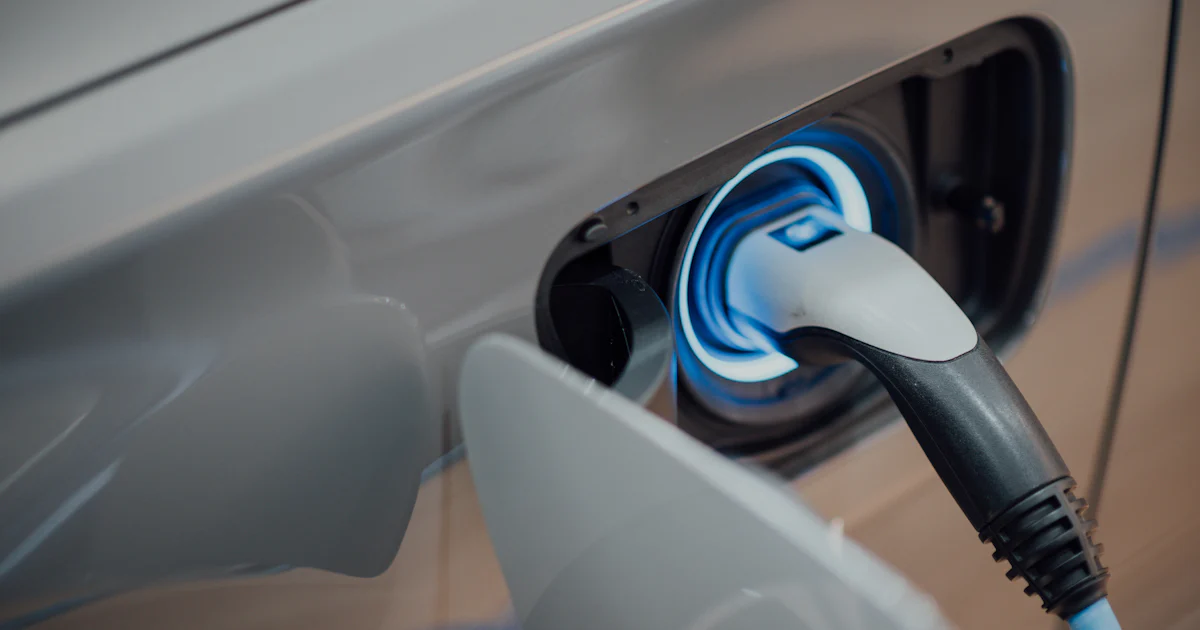
Electric Car vs. Petrol 2026: Which Really Costs Less? The Honest TCO Comparison
Featured Guide

Electric Car vs. Petrol 2026: Which Really Costs Less? The Honest TCO Comparison

The complete cost comparison: purchase price, energy, maintenance, insurance, tax, and depreciation — all facts at a glance.

14 min read

You might also find useful

Frequently Asked Questions

In many cases yes, especially regarding running costs. Electric cars have lower energy costs (electricity is cheaper than petrol/diesel per km), no road tax until 2030, and significantly lower maintenance costs (no oil changes, less brake wear due to regenerative braking). The higher purchase price is offset by lower operating costs depending on driving profile and ownership period. Our TCO calculator shows the individual break-even point.

At an average consumption of 18 kWh/100km and a household electricity price of 35 ct/kWh, 100 km costs about €6.30. At public charging stations (55 ct/kWh), costs rise to about €9.90/100km. For comparison: a petrol car with 7 L/100km and €1.75/L costs €12.25/100km. Home charging is thus almost 50% cheaper than petrol.

Total Cost of Ownership includes all costs over the ownership period: purchase price minus residual value (depreciation), energy costs (electricity or fuel), insurance, maintenance and repairs, road tax, and one-time costs like wallbox installation. Our calculator also accounts for price increases in electricity and fuel, as well as progressive road tax calculation.

The federal subsidy (Umweltbonus) expired at the end of 2023. However, some federal states and municipalities still offer regional funding programs, e.g., for wallbox installation or commercial EVs. Manufacturers sometimes also offer their own EV premiums. Enter any received subsidies in the 'Subsidy / Grant' field to correctly calculate the TCO.

Yes, significantly. EVs have fewer wear parts: no combustion engine, no transmission in the traditional sense, no exhaust system, no oil changes, no timing belt. Brakes wear less due to regenerative braking. Typical annual maintenance costs: EV €300-400, combustion engine €600-800. Over 5 years, you save €1,500-2,000 on maintenance alone.

EV depreciation has approached that of combustion cars in recent years. After 5 years and 75,000 km, EVs typically retain 40-50% of their new price, while combustion cars retain 45-55%. The battery warranty (usually 8 years / 160,000 km) supports residual value. Important: rapid technological change can cause stronger depreciation.

The more you drive, the faster the EV pays off. With low energy costs (home charging) and 15,000 km/year, many EVs reach break-even against a comparable combustion car after 3-5 years. At 20,000+ km/year, break-even can be reached in 2-3 years. Low-mileage drivers under 8,000 km/year benefit less from the cost advantage.

Employees who also use a company car privately must pay tax on the benefit in kind. For EVs with a gross list price up to €70,000, the rate is only 0.25% per month (instead of 1% for combustion engines). For an EV with a €40,000 list price, this means: €100/month vs. €400/month for a combustion car — a tax saving of €300/month. This regulation applies until at least the end of 2030.

No, electric cars are exempt from road tax until 2030 (maximum 10 years from first registration). After that, tax will likely be calculated by weight. For combustion engines, road tax typically amounts to €100-400 per year depending on displacement and CO₂ emissions. Over a 5-year ownership period, an EV saves €500-2,000 in road tax compared to a comparable combustion car.

The difference is significant: home charging currently costs about 35 ct/kWh, public charging 45-79 ct/kWh. At 18 kWh/100km and 15,000 km/year: home charging €945/year, 100% public about €1,620/year — a difference of €675/year. Those with solar panels can charge even cheaper (8-12 ct/kWh). Home charging share is one of the most important factors for EV economics.