R

Dental Cost Calculator 2026

What does dental work really cost? Calculate total costs, insurance subsidy, and your out-of-pocket — for crowns, implants, bridges, and dentures.

Updated 2026
GDPR compliant
Instant results

What type of dental work?

Your Insurance

Double subsidy for low-income patients

Additional Options

+approx. €150 for computer-aided production

Guide to Dental Costs

Current articles on dental costs, insurance, and savings tips.
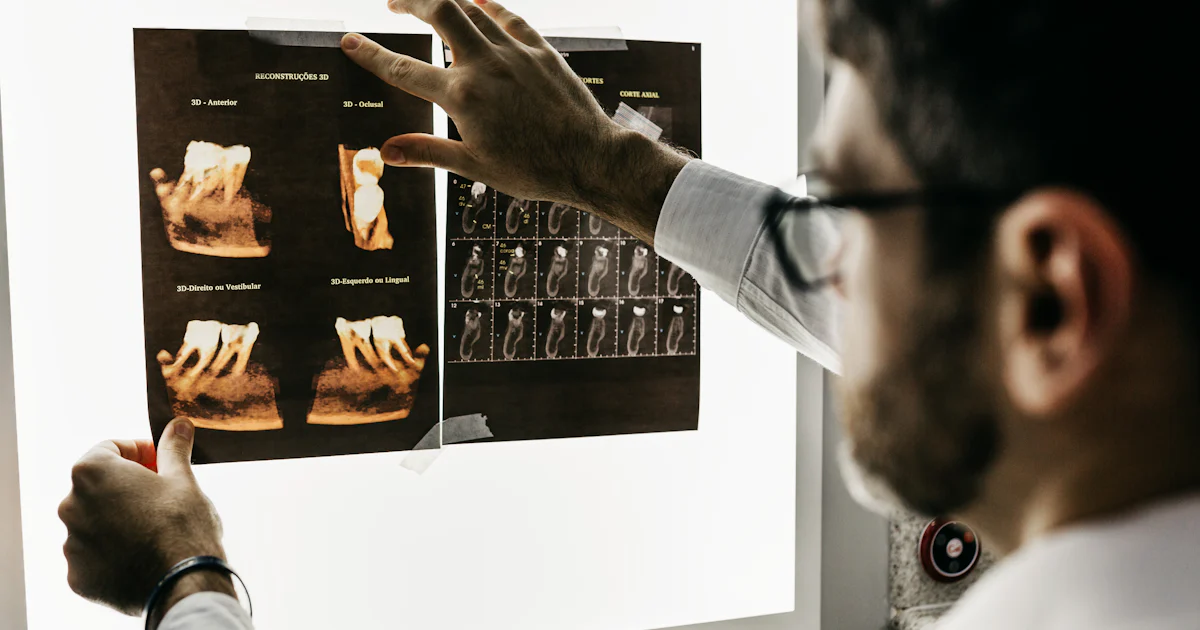
Dental Prosthetics Cost 2026: Insurance vs. Out-of-Pocket in Germany
Pillar Article

Dental Prosthetics Cost 2026: Insurance vs. Out-of-Pocket in Germany

Complete overview of dental prosthetic costs: crowns, bridges, implants, dentures — what insurance covers, how the bonus booklet helps, and how to reduce out-of-pocket costs.
12 min read

You might also find useful

Frequently Asked Questions About Dental Costs

A dental crown costs between €400 and €1,000 depending on the material. A metal crown (standard care) costs approx. €400–500, a porcelain-fused-to-metal (PFM) crown approx. €600–900, an all-ceramic crown approx. €800–1,100, and a zirconia crown approx. €900–1,200. Statutory insurance pays a fixed subsidy of approx. €220 per crown regardless of the material chosen.

Statutory health insurance (GKV) pays a fixed subsidy based on standard care. This is e.g. €220 for a crown, €220 per bridge unit, €440 for a partial denture, and €520 for a full denture. There is no subsidy for inlays or veneers. The subsidy is paid regardless of which material you choose — it's based on the diagnosis, not the therapy.

The fixed subsidy is a set amount paid by statutory insurance for dental prosthetics. It's based on the dental finding (e.g., missing tooth, damaged crown), not the chosen treatment. Whether you opt for an inexpensive metal crown or a premium zirconia crown, the subsidy remains the same. It covers about 60% of the standard care costs.

With a consistently maintained bonus booklet, the GKV fixed subsidy increases. After 5 years of regular check-ups, you get 20% more subsidy; after 10+ years, 30% more. For a crown with a €220 base subsidy, that's €44 (5 years) or €66 (10 years) extra. Across a full set of dental work, this can save several hundred euros.

A single dental implant costs between €2,300 and €4,000 including the abutment and crown. A standard titanium implant is approx. €2,300, a premium titanium implant approx. €3,100, and a ceramic implant approx. €4,000. Additional costs may include bone grafting (€500–1,500) or sinus lift (€1,000–2,500). Statutory insurance only covers the fixed subsidy for the crown portion (approx. €220).

Dental supplement insurance can be worthwhile if you prefer premium dental work. Good plans reimburse 70–90% of costs and charge €15–50 per month depending on age. Important: most policies have waiting periods of 8 months and benefit limits in the first years. Already started or planned treatments are usually excluded. Best to sign up before problems arise.

The Heil- und Kostenplan (HKP) is a binding cost estimate that your dentist creates before any dental prosthetic treatment. It lists the diagnosis, planned therapy, estimated costs, and insurance subsidy. The HKP must be approved by your insurance before treatment begins. You have the right to get a second opinion HKP from another dentist.

The hardship rule (Härtefallregelung) doubles the fixed subsidy for dental prosthetics. It applies to people with low income: singles with gross income below approx. €1,358/month (2026), couples below approx. €1,867. Recipients of Bürgergeld, social welfare, BAföG, or war victim support automatically qualify. With the hardship rule, insurance covers 100% of standard care costs.

Yes, most dentists offer payment plans, often through external financing partners. Typical terms: 6–24 monthly installments, often interest-free for short terms. Some dentists also offer internal payment plans at no extra cost. Ask about payment options before starting treatment and get the terms in writing.

Yes, dental costs can be claimed as extraordinary expenses on your tax return. However, there is a reasonable deductible amount of 1–7% of total income depending on income, marital status, and number of children. Only amounts exceeding this threshold provide a tax benefit. Collect all invoices and payment receipts for your tax return.