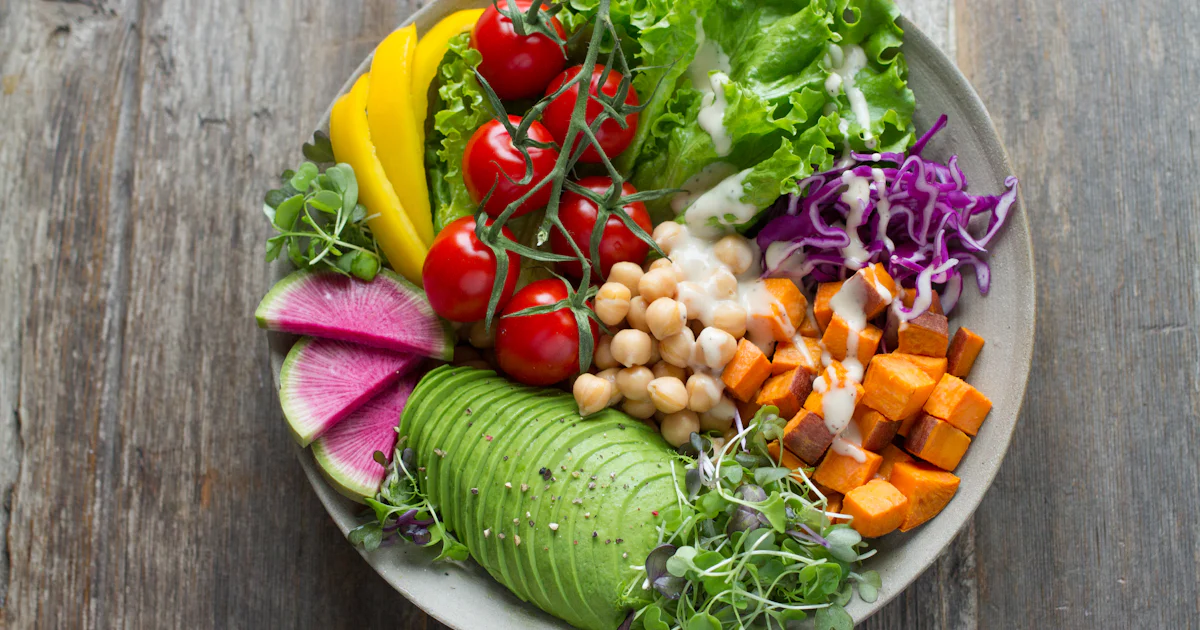
Macros Vegetarian and Vegan: How to Meet Your Protein Needs Plant-Based
Plant-based nutrition is trending -- but many fear they cannot meet their protein needs. The good news: With proper planning, you can easily achieve 1.6-2.0 g protein per kg body weight, even fully vegan.
The Protein Problem with Plant-Based Diets
Plant-based protein sources have two disadvantages compared to animal sources: First, the biological value is often lower, as individual essential amino acids may be missing. Second, protein density is lower -- you need to eat more to get the same amount of protein.
The solution: Combine different protein sources and consciously choose protein-rich plant foods.
The Best Plant-Based Protein Sources
Legumes (lentils, chickpeas, beans): 8-10g protein per 100g (cooked). Rich in fiber and complex carbohydrates. Combination with grains creates a complete amino acid profile.
Tofu and tempeh: Tofu provides 8-15g per 100g, tempeh even 19g per 100g. Tempeh is fermented and therefore more digestible.
Seitan: 25g protein per 100g -- the most protein-rich plant-based all-rounder. Made from wheat gluten, not suitable for celiac disease.
Edamame: 11g per 100g, complete amino acid profile, ideal as a snack.
Quinoa: 4g per 100g (cooked), one of the few plant foods with all essential amino acids.
Nuts and seeds: Hemp seeds (32g/100g), pumpkin seeds (30g/100g), peanuts (26g/100g). But note: also very high in fat!
Plant-based protein powders: Pea protein, rice protein, or blends achieve 70-85g per 100g.
The Optimal Macro Distribution for Vegans
Our calculator offers the 'Vegetarian/Vegan' setting with a distribution of 25/30/45 (Protein/Fat/Carbohydrates). The higher carb content reflects the natural composition of plant-based foods.
At 2,200 kcal, that gives: 138g protein, 73g fat, 248g carbohydrates. That corresponds to about 1.7 g protein per kg at 80 kg -- more than sufficient for muscle maintenance and growth.
Sample Day: Vegan Meal Plan (2,200 kcal)
Breakfast: Oatmeal bowl with soy yogurt, berries, flaxseed, and protein powder (40g protein)
Lunch: Lentil curry with rice and spinach (30g protein)
Snack: Hummus with whole grain bread and vegetables (15g protein)
Dinner: Tofu vegetable stir-fry with quinoa and peanut sauce (35g protein)
Dessert: Soy yogurt with nuts (18g protein)
Total: approx. 138g protein, target achieved!
Supplementation to Consider
For a completely vegan diet, the following supplements are recommended: Vitamin B12 (absolutely necessary), Vitamin D (especially in winter), Omega-3 (algae oil), Iron (regularly check blood values), Zinc.
Conclusion
Plant-based nutrition and adequate protein are not contradictory. With conscious food selection and the right macro distribution, you can achieve all fitness goals without animal products.