High-Protein Diet: How to Hit Your Protein Target
Protein is the most important macronutrient – especially if you want to build muscle, lose weight, or improve your physical performance. But how much protein do you really need, and which foods are the best sources?
Why Protein Is So Important
Protein fulfills numerous vital functions in the body: It builds and repairs muscles, forms enzymes and hormones, strengthens the immune system, and keeps you fuller longer than any other macronutrient.
The thermic effect of protein is 20-30% – meaning your body burns 20-30 kcal just to digest 100 kcal of protein. In comparison: carbohydrates only 5-10%, fat only 0-3%.
How Much Protein Do You Need?
The recommended amount depends heavily on your goal and activity level:
Muscle maintenance (average person): 0.8-1.2 g per kg body weight. The German Nutrition Society (DGE) reference value is 0.8 g/kg for adults up to 64 and 1.0 g/kg from age 65.
Muscle building: 1.6-2.2 g/kg. Meta-analyses show that the optimal range for muscle protein synthesis is about 1.6 g/kg, with some studies showing slight advantages up to 2.2 g/kg.
Fat loss (dieting): 2.0-2.4 g/kg. During a calorie deficit, high protein intake protects muscle mass from breakdown and promotes satiety.
The 10 Best Protein Sources
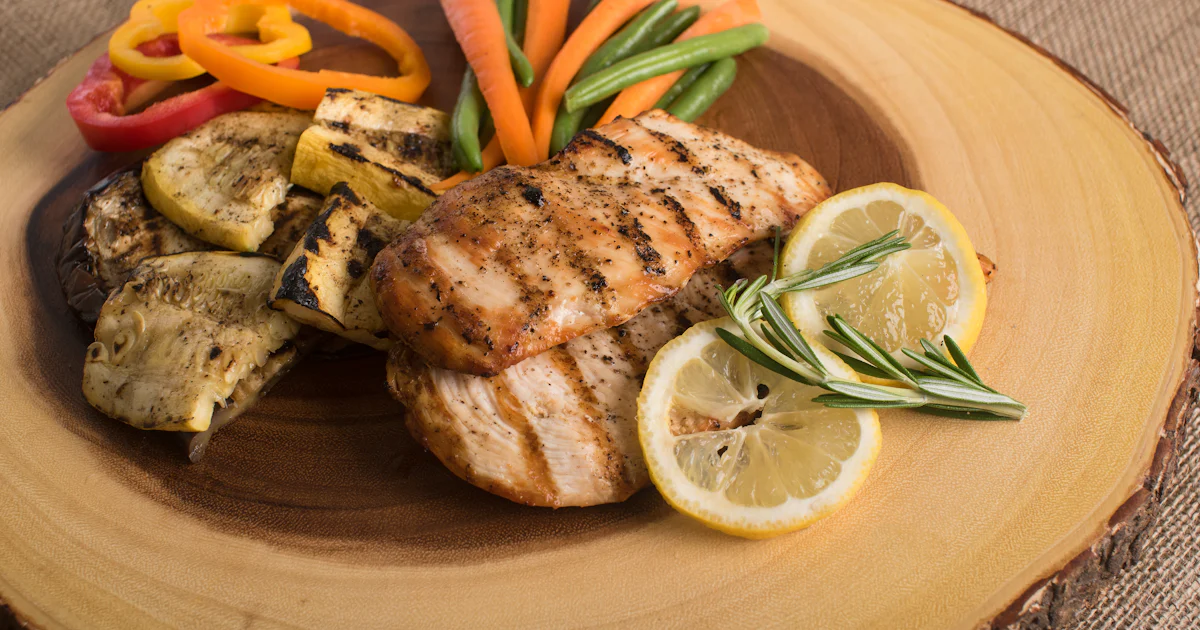
- Chicken breast: 31g protein per 100g, low-fat, versatile
- Greek yogurt: 10g per 100g, high biological value, ideal as a snack
- Eggs: 13g per 100g, complete with all essential amino acids
- Salmon: 20g per 100g, plus healthy omega-3 fatty acids
- Lentils: 9g per 100g (cooked), best plant source with fiber
- Tuna: 26g per 100g, extremely protein-rich and practical
- Greek yogurt: 10g per 100g, probiotic, great as a bowl base
- Lean ground beef: 26g per 100g, rich in iron and zinc
- Tofu: 8g per 100g, versatile vegan option
- Protein powder: 70-90g per 100g, convenient for on-the-go and post-workout
Protein Timing: When and How Often?
Current research shows that total daily amount matters more than exact timing. Still, there are useful guidelines:
Distribute your protein as evenly as possible across 3-5 meals. The body can optimally utilize 30-50g protein per meal for muscle protein synthesis. 20g protein after training is enough for maximum stimulation.
High-Protein Meal Plan: Sample Day
Breakfast (40g protein): 200g Greek yogurt + 30g oats + 1 banana + 10g walnuts
Lunch (45g protein): 150g chicken breast + 200g rice + vegetables + olive oil
Snack (25g protein): 2 eggs + 1 slice whole grain bread
Dinner (40g protein): 150g salmon + sweet potato + broccoli
Total protein: approx. 150g at 2,000-2,200 kcal. That achieves 1.9 g/kg at 80 kg body weight.
Conclusion
A high-protein diet is not a trend but scientifically founded. Calculate your individual protein target with our macronutrient calculator and start implementing today.