Buffet vs. Sit-Down Menu: Making the Right Choice
One of the most consequential decisions in wedding planning is the catering format. The choice between a buffet and a sit-down menu affects not only the cost per guest but also the atmosphere, timing and logistics of the entire reception. Both options have clear advantages, and the best choice depends on your priorities, budget and guest count.
Cost Comparison Per Guest
In the German wedding market, buffet catering typically costs 55 to 90 euros per person, depending on the variety and quality of dishes offered. A three-course sit-down menu ranges from 70 to 110 euros per person, while a five-course menu at an upscale venue can run 100 to 160 euros per person. For a wedding with 80 guests, the difference between a mid-range buffet at 70 euros and a four-course menu at 95 euros totals 2,000 euros.
These price differences stem primarily from staffing requirements. A sit-down dinner requires more waitstaff for plated service, with a typical ratio of one server per 15 to 20 guests. Buffet service needs fewer staff members, usually one per 30 to 40 guests, plus kitchen staff to replenish stations. The reduced labor cost translates directly into lower per-person pricing.
Drink costs are similar regardless of format, typically adding 25 to 50 euros per person for a drinks package or open bar. However, sit-down dinners often pair better with wine service packages, while buffets complement beer-and-wine-focused drink options.
Buffet: Advantages and Considerations
Buffets offer several compelling benefits. Variety is the most obvious: guests can choose from a wider selection of dishes and customize their plates to their preferences. This flexibility is particularly valuable when dietary requirements are diverse, as vegetarian, vegan and allergy-friendly options can be incorporated alongside traditional dishes without requiring separate kitchen preparation.
The social dynamic at a buffet is more relaxed and interactive. Guests move around, mingle at the buffet station and naturally engage in conversation with people from different tables. This informal energy suits couples who want a lively, social atmosphere rather than a formal seated affair.
Buffets also handle timing more flexibly. Guests eat at their own pace, and there is less pressure to coordinate courses across all tables simultaneously. This is especially helpful for larger weddings where synchronized plated service can be logistically challenging.
On the downside, buffets can create queues if not well organized, particularly at the start when everyone is hungry. The visual presentation at individual tables is less curated than plated service. Food waste can also be higher, as buffet quantities must account for all guests wanting seconds of popular dishes.
Sit-Down Menu: Advantages and Considerations
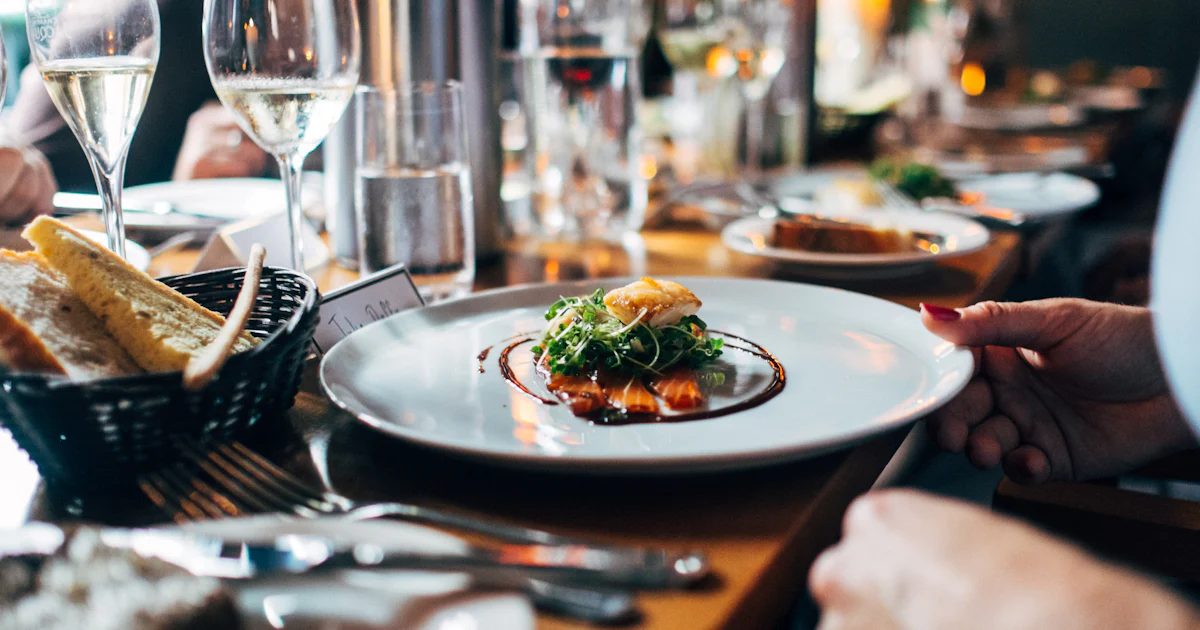
A plated sit-down dinner delivers a more elegant, controlled dining experience. Each course arrives beautifully presented, and the chef has complete control over portion sizes, plating and timing. This format is ideal for couples who prioritize a refined, formal atmosphere and want to showcase exceptional culinary quality.
The structured pacing of courses creates natural intervals in the evening. Between courses, couples can schedule speeches, games or dances. This built-in rhythm helps the evening flow smoothly and ensures that key moments receive the audience's full attention.
Sit-down menus reduce food waste because portions are pre-determined. They also keep the reception space tidier, as guests remain seated rather than moving to and from a buffet station. For formal venues with elegant table settings, plated service complements the aesthetic better than buffet self-service.
The main drawbacks are higher cost, less variety (typically three to five dishes across all courses), and the need for each guest to pre-select their meal, which requires response cards and careful coordination with the caterer. Guests with last-minute dietary changes or preferences may find the fixed menu restrictive.
Food Truck and Alternative Catering
A growing trend in German weddings is food truck catering, which combines the variety of a buffet with a casual, modern feel. Two to three food trucks offering different cuisines (for example, one with burgers, one with Asian food and one with desserts) can serve 80 guests for 40 to 65 euros per person. The setup is unique and provides a conversation piece, though it works best with venues that have adequate outdoor space.
Family-style service, where large platters are placed on each table for guests to share, is another middle ground. It offers the social element of buffet dining with the seated comfort of a plated dinner. Costs typically fall between buffet and sit-down menu pricing.
Making Your Decision
Choose a buffet if your priority is variety, a relaxed atmosphere and budget efficiency, especially for guest counts above 60. Choose a sit-down menu if you value elegance, culinary artistry and a structured evening flow, and your budget allows the premium. Consider hybrid approaches for the best of both worlds: a plated starter followed by a buffet main course, or a formal dinner with a casual late-night food truck snack.
Whatever format you choose, book a tasting session with your caterer to sample the actual dishes that will be served. This ensures the quality meets your expectations and gives you confidence in the menu on your wedding day.