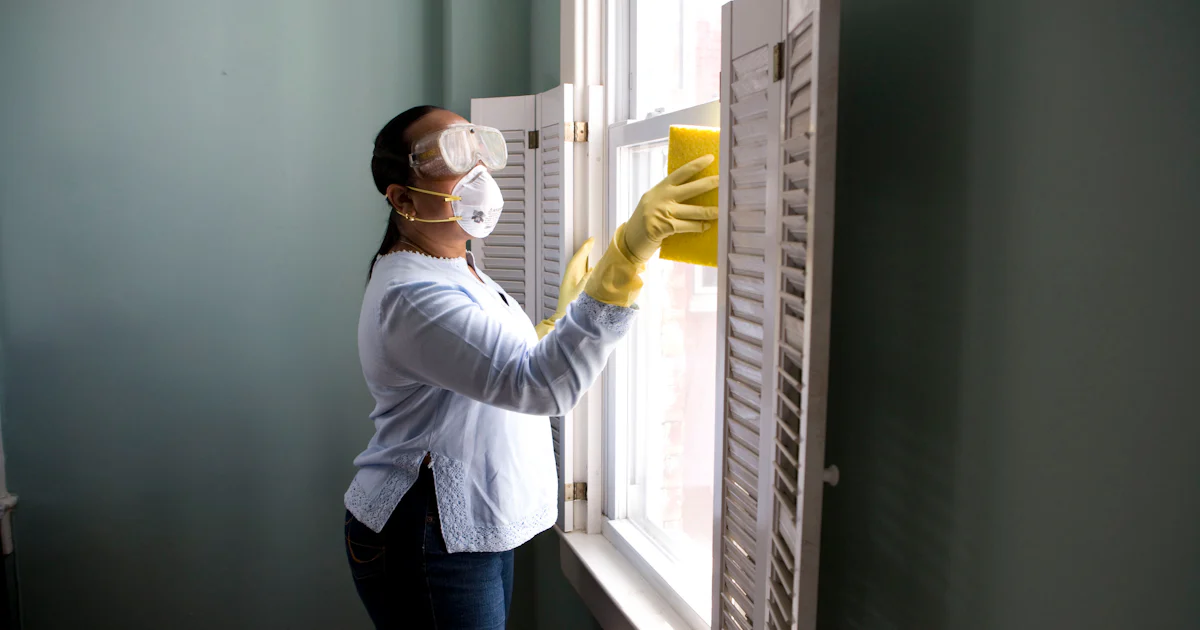
Why a Cleaning Schedule Matters
Ask any long-term WG resident what causes the most arguments and the answer is usually one of two things: noise or cleaning. Money disputes can be solved with calculators and spreadsheets, but cleaning is inherently subjective. What counts as clean enough? How often should the bathroom be scrubbed? Who cleans the kitchen after a shared dinner?
A Putzplan (cleaning schedule) does not solve all these problems, but it does solve the biggest one: accountability. When responsibilities are assigned and visible, the passive-aggressive note on the fridge becomes unnecessary.
Types of Cleaning Schedules
The Rotation System
Each flatmate is assigned a zone (kitchen, bathroom, hallway/common areas) and rotates weekly or biweekly. This is the most popular system in German WGs. Advantages: everyone does every task over time, no one gets stuck with the worst job permanently. Disadvantages: requires discipline to rotate on schedule, and different people have different standards for the same task.
The Fixed-Zone System
Each person is permanently responsible for one area. Person A always cleans the bathroom, Person B always does the kitchen, Person C handles floors and hallway. Advantages: each person develops ownership of their area and a routine. Disadvantages: some zones require more work than others, and if someone dislikes their zone, resentment builds.
The Task-Based System
Instead of zones, specific tasks are listed: vacuum common areas, clean bathroom sink and toilet, clean kitchen counters and stovetop, take out trash, mop floors. Tasks are assigned weekly by rotation. Advantages: granular and fair, since tasks can be balanced by effort. Disadvantages: more complex to manage, and tasks might be done on different days, leaving areas partially clean.
Creating Your WG Cleaning Schedule
Step 1: List All Tasks
Walk through the apartment and list every recurring cleaning task. Be specific: not just 'clean kitchen' but 'wipe counters and stovetop,' 'clean sink,' 'mop floor,' 'empty fridge of expired items.' Include frequency: weekly, biweekly, or monthly.
Step 2: Estimate Effort
Assign a rough effort level to each task: light (5-10 minutes), medium (15-20 minutes), or heavy (30+ minutes). This helps balance assignments so no one consistently gets all the heavy tasks.
Step 3: Agree on Standards
This is the hardest part. Discuss what 'clean' means for each area. Does 'clean the bathroom' include scrubbing the shower tiles, or just the toilet and sink? How clean does the stovetop need to be? Set minimum standards everyone can agree on. Writing these down may feel excessive, but it prevents arguments later.
Step 4: Choose a Format
A physical chart on the fridge works well because it is always visible. Use a whiteboard or printed template with names and weeks. Digital alternatives include a shared online spreadsheet, a dedicated WG app with a built-in cleaning schedule feature, or a shared calendar with recurring events.
Step 5: Build in Flexibility
Life happens. Allow task swaps between flatmates and agree on a deadline (e.g., tasks must be completed by Sunday evening). If someone is traveling, their tasks shift to the following week or are temporarily covered by others.
Common Pitfalls and How to Avoid Them
Different Cleanliness Standards
The most common issue. One person scrubs the bathroom until it gleams, another gives it a quick wipe. Solution: agree on minimum standards in writing during a WG meeting. Focus on hygiene (toilet, sink, kitchen surfaces) rather than cosmetic perfection.
Free-Riding
One person consistently skips their turn or does a poor job. Solution: make the schedule visible (fridge chart) and discuss during regular WG meetings. Peer accountability works better than nagging. Some WGs introduce a penalty system – miss your turn and you buy the next round of toilet paper or cleaning supplies.
Scope Creep
The schedule starts with basics but gradually expands to include window cleaning, oven scrubbing, and defrosting the freezer. Solution: keep the regular schedule limited to weekly essentials. Handle deep cleaning tasks as one-off group events (a quarterly WG cleaning day works well).
Cleaning Supplies: Who Buys What?
Cleaning supplies are a shared cost. The simplest approach: include them in your shared expense tracking (our calculator's Settle Up tab). Whoever buys dish soap, sponges, toilet cleaner, or bin bags logs the expense, and it is settled at the end of the month. Alternatively, maintain a small shared fund (EUR 5-10 per person per month) specifically for cleaning and household supplies.
Conclusion
A cleaning schedule is not about being rigid or controlling – it is about preventing the slow build-up of resentment that poisons WG life. Start simple, write it down, make it visible, and review it periodically. The best Putzplan is the one your WG actually follows, not the most elaborate one on paper.